Practical Care for Hammond Homes
Residential Carpet and Upholstery Cleaning in Hammond
Looking for residential carpet and upholstery cleaning in hammond in Hammond or Northwest Indiana? Tell us what you need cleaned. Call us or fill out the form, and we will contact you to discuss the job and provide a quote.
Serving Hammond and Northwest Indiana homes, apartments, condos, and workplaces.
Get a quote
Get a carpet and upholstery cleaning quote in Hammond
Choose a service and your city, then send your contact information. We will contact you to discuss the job and provide a quote.
Quote request received
Quick details
What to tell us
Tell us which rooms, furniture, rugs, or floors need service.
Point out spots, odors, heavy traffic, pet concerns, or past cleaning products.
Share your Northwest Indiana city, ZIP code, stairs, parking, and entry details.
Choose the Service by Surface and Construction
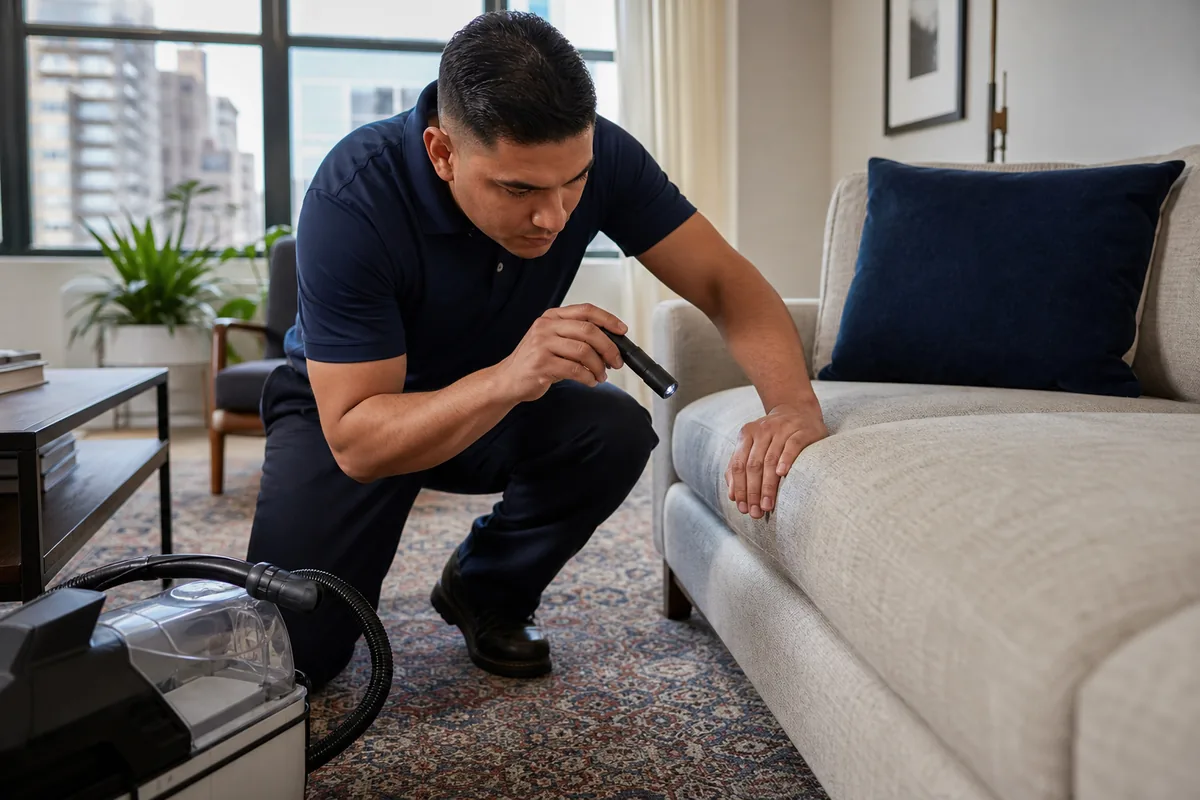
Installed carpet, removable rugs, sofas, dining chairs, mattresses, and leather furniture do not respond as one category. Carpet construction affects agitation and moisture choices; rug backing, fringe, and dye behavior need separate review; upholstery care depends on fabric, cushions, seams, and manufacturer labels. Mattresses add tufting, edges, and a need for complete drying before bedding returns. We first identify what is being cleaned, how it is built, and whether mixed materials are present. That surface-specific approach reduces guesswork and helps avoid treating a delicate textile as though it were ordinary broadloom carpet. Use the related service pages to compare the service details for each material.
Separate Routine Soil From Spots and Odor Sources
Everyday dust, foot traffic, body oils, food spills, pet incidents, and persistent odors require different questions. Routine cleaning addresses accessible soil across a surface, while stain removal focuses on a localized change and pet odor work begins by locating the source and considering its depth. A visible mark may be residue, dye change, abrasion, or permanent fiber damage. Odor may originate in carpet face yarn, backing, padding, cushion fill, wood, or another nearby material. We document what is known, review products previously applied, and define a realistic work. This prevents a general cleaning appointment from being presented as a universal answer to every household condition.
Get a quote for this service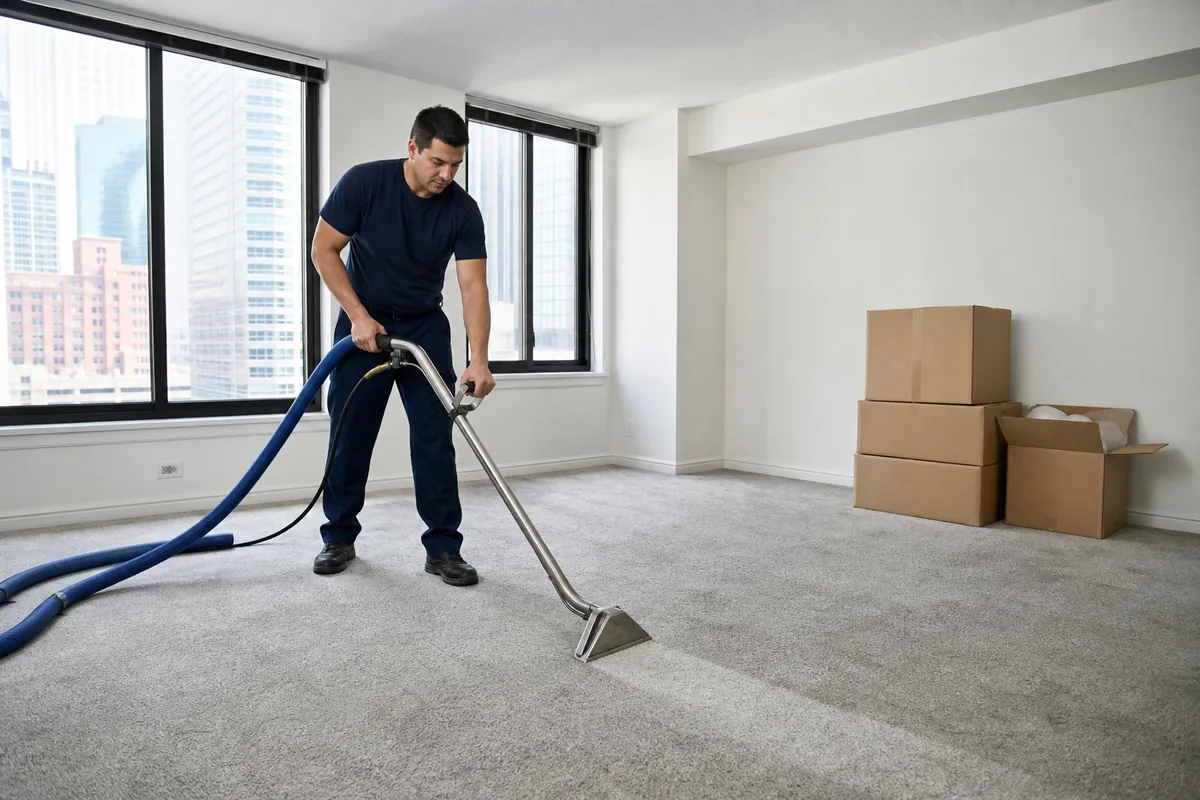
Plan Around Hammond Homes and Building Access
Equipment routes matter in high-rises, courtyard buildings, walk-ups, narrow bungalows, and homes with finished basements. Parking restrictions, service-elevator reservations, locked vestibules, stairs, shared corridors, and building vendor rules can affect setup before any cleaning begins. Inside the home, fragile objects, small furniture, toys, pet supplies, and electronics should be cleared from the work path. Heavy or complex pieces remain subject to an agreed movement plan. We ask residents to confirm access and building requirements in advance so hoses and equipment do not interfere with neighbors or emergency routes. Thoughtful logistics protect the appointment from avoidable delays and keep the work sequence orderly.
Understand Inspection, Cleaning, and Drying
A residential visit generally moves from inspection and dry soil removal to suitable spot treatment, surface cleaning, extraction or another material-appropriate method, and a final review. The exact sequence changes with the fiber, label, condition, soil load, and response during testing. Drying is influenced by humidity, indoor temperature, ventilation, pile or cushion thickness, and how much targeted treatment is needed. Hammond summer humidity and closed winter rooms can each affect airflow. Fixed drying promises are therefore not appropriate. Residents should follow the technician's guidance, limit traffic, and avoid replacing rugs, cushions, bedding, boxes, or furniture until the cleaned material is ready.
Build a Sensible Room-by-Room work
A whole-home request is easier to manage when rooms and furnishings are listed separately. Note bedrooms, living areas, stairs, hallways, basement carpet, rugs, sofas, chairs, mattresses, stains, and known pet locations. Photos can help with preparation but do not replace in-person inspection. Combining services may simplify access, yet each surface still receives its own evaluation and expectations. Some rooms may need general cleaning, while a single cushion or carpet corner needs focused treatment. Others may show wear or damage that cleaning cannot reverse. A room-by-room work makes priorities visible, helps residents prepare the right areas, and creates a useful record of what was included.
Questions before you schedule
Common questions
They can be coordinated when access and work allow, but each surface is inspected separately and receives a method suited to its fibers, construction, labels, and condition. Coordinating them still requires separate notes for rugs, cushion construction, leather finish, existing stains, pet areas, and where each cleaned item can remain without obstructing equipment or airflow. The sequence should keep damp textiles apart and preserve a usable household route until every included surface is ready.
Remove fragile and loose items from the work path. Heavy, complex, or electronic furniture should be discussed beforehand so movement and exclusions are clear. Residents should also empty floor-level storage, secure pets, identify delicate flooring transitions, and make space for cushions or rugs that need separate drying positions. A room can still be cleaned around stationary furniture when the open-area work and inaccessible sections are documented before work.
Drying varies with material thickness, humidity, temperature, airflow, and treatment intensity. Follow the technician's observations rather than relying on one fixed time for every surface. Carpet over pad, a dense sofa cushion, a rug foundation, and a quilted mattress can progress at different rates in the same home. Keep coverings, furniture, bedding, pets, and normal traffic away until each individual material has been checked.
Cleaning addresses recoverable soil and some spots. It does not repair tears, burns, bleaching, loose seams, crushed padding, delamination, or normal wear that has altered the material. Inspection may reveal that a remaining dark area is abrasion, that an upholstery mark is missing dye, or that an odor source lies beneath accessible layers. Those findings can guide a later repair, restoration, flooring, or replacement decision without overstating what cleaning accomplished. Keeping those observations with the service record helps residents describe the condition accurately when consulting a separate repair specialist.

Ready for a quote?
Tell us what you need cleaned.
Call us or fill out the form. We will contact you to discuss the job, answer your questions, and provide a quote.
Get My Quote